
Appliance Removal & Recycling: Costs, EPA Rules, and Preparation
Disposing of an old refrigerator, washing machine, or stove involves strict environmental laws, heavy lifting, and utility hazards. Here is how to navigate disposal fees, EPA Freon regulations, utility disconnects, and donation channels safely.

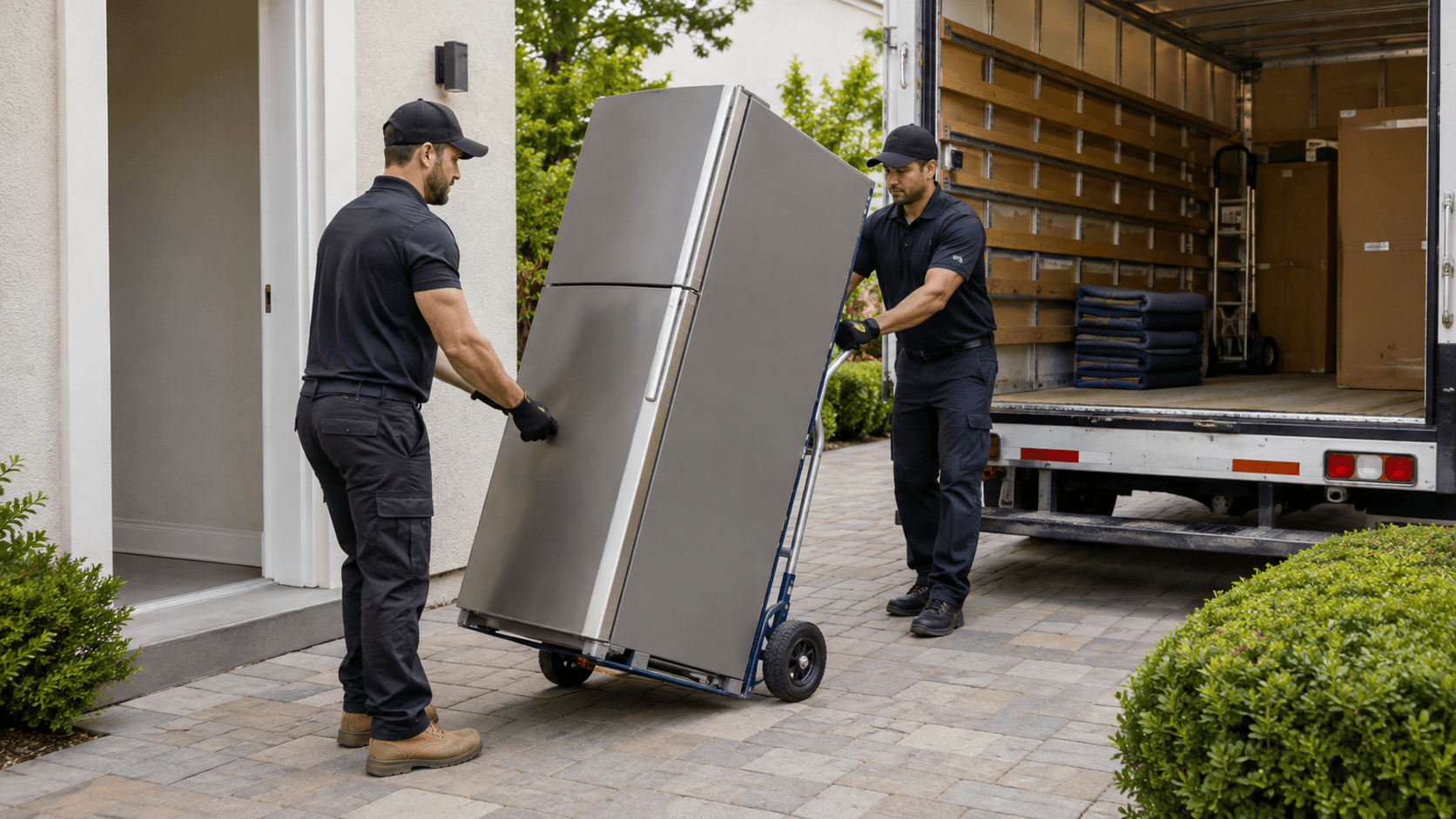
Quick answer: how to dispose of heavy appliances
The fastest and safest way to dispose of a large appliance depends on its working condition, fuel type, and whether it contains chemical refrigerants. Working units under ten years old can often be collected for free by nonprofit charities, while non-working white goods should be routed through licensed appliance recyclers, municipal bulk programs, or professional junk haulers who guarantee certified environmental recovery.
Before any appliance leaves your property, you must confirm that all water, electric, and gas utilities are fully disconnected and capped. Refrigerators, freezers, dehumidifiers, and air conditioning units carry mandatory refrigerant handling requirements under federal law, meaning they cannot simply be dumped in a standard landfill without documented Freon evacuation.
If you are replacing an appliance with a brand new model, retailer delivery haul-away is usually the cheapest convenience option. When clearing multiple units, dealing with basement stairs, or managing tight closing deadlines, hiring a professional team through our appliance hauling directory eliminates personal injury risk and guarantees lawful disposal receipts.
Appliance removal costs by service type
Pricing for appliance disposal varies dramatically based on whether labor, indoor stair carries, transport, and certified recycling fees are bundled into the quote. A homeowner carrying a scrap water heater to a transfer station pays significantly less out of pocket than an estate executor hiring a two-person crew to maneuver a commercial sub-zero refrigerator up a narrow basement stairwell.
Most professional junk removal services structure appliance pickups under their single-item or minimum load tiers, adding surcharges only for units containing refrigerants or requiring complex dismantling.
| Disposal Method | Typical Cost Range | Labor Included? | Best Project Fit |
|---|---|---|---|
| Retailer Trade-In Haul-Away | $30 – $60 per unit | Disconnect-ready pickup only | Buying a replacement unit from a major retailer |
| Municipal Curbside Bulk Program | $0 – $40 (or fee sticker) | None (curbside transfer only) | Budget disposal where local city accepts white goods |
| Professional Junk Removal | $80 – $180 (single unit) | Full service (in-home carry, stairs, loading) | Tight deadlines, basement units, or multiple appliances |
| Scrap Metal Recycler Drop-Off | Free or $5 – $25 payout | Customer transports & unloads | Non-refrigerant units (washers, dryers, water heaters) |
| Charity Donation Pickup | Free | Varies (often main floor or garage only) | Clean, operational units under 10–12 years old |
Several operational factors push prices toward the higher end of these brackets. When comparing quotes, always verify whether the hauler includes the landfill gate fee, tipping scale charges, and environmental disposal certificates in their upfront rate.
What drives appliance hauling surcharges
Appliance weight directly impacts vehicle payload and worker safety. A standard clothes washer weighs roughly 140 to 180 pounds, whereas a cast-iron porcelain stove or a 36-inch French-door refrigerator easily exceeds 300 to 400 pounds.
Beyond raw tonnage, accessibility heavily influences quote calculations:
- Flights of stairs: Carrying a 300-pound unit down or up spiral steps or basement bulkheads typically adds $30 to $60 per flight due to required extra rigging and spotters.
- Door and trim removal: If an appliance cannot pass through standard 30-inch door frames without removing doors, hinges, or jamb trim, crews must bill for mechanical labor time.
- Refrigerant extraction fees: Municipal transfer stations charge haulers between $20 and $50 per cooling unit at the weighbridge scale to offset certified freon recovery equipment costs.
To see how individual item volumes aggregate into truck fractions and regional landfill charges, explore our comprehensive US Junk Removal Pricing Guide.
EPA Section 608 and refrigerant recovery fees
The single biggest source of confusion in appliance disposal revolves around refrigerators, freezers, portable air conditioners, and dehumidifiers. These machines utilize closed-loop chemical circuits filled with refrigerants that pose severe ozone depletion and global warming risks if punctured or vented.
Under federal regulations codified in 40 CFR Part 82, individuals cannot simply puncture compressor lines to lighten an appliance or release gas into the air.
Understanding the Freon disposal surcharge
When an honest junk removal operator quotes an extra $35 to $60 for a refrigerator, they are not inflating their profit margin. They are passing along the mandatory facility processing fee imposed by certified waste management hubs and scrap yards.
Unlicensed "free scrap metal" scavengers frequently harvest the heavy steel shell of old refrigerators, slash the copper tubing with bolt cutters, and allow R-12, R-22, or R-134a refrigerants to escape into the local atmosphere. In addition to severe environmental degradation, commercial property owners and landlords who knowingly turn over regulated equipment to uncertified handlers can face substantial liability under local municipal ordinances.
Always ask your provider if they deliver cooling equipment to an EPA Responsible Appliance Disposal (RAD) partner or a state-licensed metal reclamation facility.
Utility disconnection and safety rules
Hauling crews are insured for heavy carrying and commercial transport; they are rarely licensed master plumbers or certified electricians. Expecting a junk removal team to shut off gas mains or unthread rusted water fittings is a dangerous recipe for property damage, water leaks, or explosive gas accumulation.
You must prepare each utility connection prior to your scheduled pickup window.
Proper Preparation Protocol
- Shut off the dedicated copper water valve behind washing machines and dishwashers 24 hours prior.
- Switch off the double-pole 240V breaker in your main electrical panel before disconnecting electric stoves and clothes dryers.
- Contract a licensed plumber or gas technician to shut off, disconnect, and thread-cap natural gas or propane lines.
- Defrost and towel-dry refrigerators and freezers 24 to 48 hours in advance to prevent water pooling on floors.
Dangerous Disconnection Shortcuts
- Never allow an uninsured hauler to cut, crimp, or unthread an active gas line.
- Never leave open water lines uncapped if supply valves exhibit visible rust or calcified dripping.
- Do not cut electrical cords flush with the wall while plugs remain energized.
- Never transport a refrigerator filled with melting ice or spoiled organic food waste.
1. Water connections: washers and dishwashers
Washing machine supply hoses frequently seize onto brass hose bibs after years of compression. Shut off the supply valves at least 24 hours before pickup. Once the valves are closed, disconnect both hot and cold hoses from the rear of the machine and drain remaining water into a bucket.
Dishwashers present an added challenge because they are hardwired into both household plumbing and cabinetry framing. They must be disconnected from the under-sink drainage siphon, unfastened from countertop mounting brackets, and drained before a crew can pull them out from under the counter.
2. Electrical circuits: 240-volt high-amp appliances
Electric clothes dryers, ranges, and cooktops draw 30 to 50 amps across 240-volt dedicated circuits. While modern four-prong cords can simply be unplugged once the outlet is cleared, older homes often feature hardwired conduit connections.
If your appliance does not terminate in a standard plug, switch off the breaker, test the terminals with a non-contact voltage tester, and cap each electrical conductor with wire nuts inside an approved junction box before hauling begins.
3. Gas lines: ranges, dryers, and water heaters
Natural gas and propane appliances demand absolute zero-tolerance safety standards. Hauling companies will strictly refuse to touch an appliance connected to an active gas pipe.
Once the appliance valve is closed and the flexible corrugated line is removed, the supply pipe stub must be sealed with an approved threaded black-iron cap and tested with soapy water bubble solution to verify that no slow gas leaks exist.
Comparing disposal channels: donation, retailer, scrap, or hauler
Selecting the appropriate disposal channel prevents wasted effort, unexpected bills, and administrative headaches. Use this decision matrix to evaluate your options against your timeline and physical ability.
Channel 1: Charity donation pickup
Nonprofit organizations such as Habitat for Humanity ReStores, The Salvation Army, and local church ministries welcome clean, fully functioning appliances. However, their intake guidelines are stringent. Most charities will reject any appliance older than ten years, units with cosmetic dents, rust spots, cracked door gaskets, or missing shelving.
Furthermore, charity volunteers usually cannot navigate interior staircases due to liability policies. If you choose donation, plan to stage the unit in your garage or ground-level driveway. If you are unsure whether your items qualify for charitable collection, read our complete guide to Donation, Recycling, or Disposal.
Channel 2: Retailer trade-in haul-away
If you are buying a replacement refrigerator or laundry suite from a national home improvement chain or appliance retailer, take advantage of their delivery haul-away service. For an add-on fee of roughly $30 to $60 per unit, delivery drivers will remove the old equivalent unit as they drop off the new one.
Keep in mind that retailer crews adhere to rigid delivery schedules. If your old machine is still hooked up to plumbing or gas when they arrive, they will skip haul-away and complete only the drop-off, leaving you stranded with two massive machines in your kitchen.
Channel 3: Scrap metal recyclers
Washers, dryers, electric stoves, and water heaters consist predominantly of heavy-gauge steel, copper motor windings, and aluminum. Scrap metal yards will accept these white goods free of charge, and some pay by gross weight (typically $60 to $110 per ton).
However, you must have an open pickup truck or utility trailer capable of carrying the load, physical strength to load and unload heavy steel, and tie-down straps. Scrap yards will categorically reject cooling equipment unless you present formal Section 608 evacuation documentation.
Channel 4: Professional full-service junk removal
When an appliance is trapped in a finished basement, weighs several hundred pounds, or requires same-day removal before real estate photography, hiring a professional hauling company is the premier solution.
Crews arrive equipped with appliance hand trucks, non-marking neoprene floor runners, shoulder dollies, and strap harnesses. They assume all physical liability, maneuver through tight hallways without scratching baseboards, and handle transfer station tipping tickets. You can locate vetted local operators directly through our Junk Removal Directory Map.
Step-by-step appliance pickup checklist
Following a systematic sequence ensures that your pickup proceeds quickly, cleanly, and without unexpected surcharge arguments on your driveway.
Appliance Removal Preparation Sequence
- Photograph the appliance, serial number plate, and exit route to share with your hauler in advance
- Shut off all incoming utilities (water supply bibs, electrical panel breakers, gas shutoff valves)
- Disconnect supply lines, drain residual hoses into a bucket, and tape drain tubes to the appliance chassis
- Defrost cooling appliances completely 24 to 48 hours prior and clean out all remaining interior food debris
- Remove all loose interior glass shelving, crisper bins, oven racks, and lint screens to prevent mid-carry shifting
- Measure the appliance depth, width, and height against all exterior doorways, narrow stair turns, and vestibules
- Clear hallway shoes, rugs, framed wall artwork, and low-hanging light fixtures along the carry path
- Secure appliance doors with painter's tape or stretch wrap so doors do not swing open violently on stairwells
For items where dimensions are exceptionally tight, crews may need to remove refrigerator doors from their upper pin hinges. Doing this yourself with an adjustable wrench and socket set before the crew arrives can shave twenty minutes off your appointment time and save labor fees.
Common mistakes that trigger extra charges
Disagreements between property owners and hauling crews almost always stem from uncommunicated physical obstacles or unprepared machines. Review these preventable errors before scheduling your crew:
- Leaving water in laundry drums: Modern front-load washing machines hold significant reservoir water in internal pumps and counterweights. Tipping an undrained washer on a flight of carpeted stairs will soak your flooring and create extreme slip hazards for the crew.
- Failing to disclose stairs during quote intake: Booking a standard "single item curbside pickup" and then directing the crew into a third-floor attic apartment causes instant friction. Crews budget their dispatch windows tightly; surprise stairs force dispatchers to adjust rates on the spot.
- Leaving food or ice in freezers: A freezer loaded with rotten frozen meat or three inches of solid frost cannot be loaded into a commercial truck. Haulers will reject the unit until it is fully thawed and washed out.
- Assuming haulers carry gas licensing: Never expect a two-person junk crew to carry gas pipe wrenches, thread sealant, or safety detectors. If an appliance is still connected to live gas, the crew will walk away to protect their insurance policy.
- Ignoring outdoor access barriers: If the truck must park 200 feet down an icy driveway or navigate soft, muddy lawn turf with a 350-pound dolly, haulers must bill for extended long-distance carry time.
If you are coordinating a broader residential overhaul that includes furniture and general garage clutter alongside appliances, compare your total project size using our Cubic Yard Visualizer or test regional price assumptions with our interactive Junk Removal Cost Calculator.
Frequently asked questions
Can I leave my old refrigerator on the curb for trash pickup?
In most jurisdictions, municipal waste collectors will not take refrigerators or freezers during standard trash runs. Many cities offer designated monthly bulky waste pickups, but they typically require purchasing a specialty pre-paid environmental sticker ($20 to $50) and scheduling weeks in advance. Doors must be removed prior to curbside staging to comply with child-entrapment laws.
How much do scrap yards pay for old washing machines and dryers?
Scrap yards buy appliances based on current shredded steel commodity prices, which typically fluctuate between $60 and $120 per net ton. A standard residential clothes dryer weighing 120 pounds will yield roughly $4 to $8 at the scale. Unless you are hauling a truckload of multiple appliances simultaneously, fuel costs often exceed the scrap payout.
Do junk removal companies take commercial restaurant appliances?
Yes, but commercial kitchen equipment (such as heavy three-door stainless reach-ins, commercial deep fryers, and pizza ovens) involves special industrial handling. These units weigh upwards of 600 to 1,000 pounds and may require liftgate trucks, palette jacks, and commercial transfer station manifests. Always disclose commercial equipment specifications during your initial inquiry.
What should I ask an appliance hauler before hiring them?
Confirm three critical points: whether their quote includes indoor removal and stairs, whether their rate covers the local landfill refrigerant recycling surcharge, and whether they provide a lawful disposal receipt. For a comprehensive list of verification questions, review our guide to 10 Questions to Ask a Junk Removal Company.
Sources and regulatory references
- 1.U.S. Environmental Protection Agency (EPA): Section 608 of the Clean Air Act: Stationary Refrigeration and Air Conditioning. epa.gov/section608
- 2.EPA Responsible Appliance Disposal (RAD) Program: Guidance on Safe Appliance Disposal and Greenhouse Gas Mitigation. epa.gov/rad
- 3.U.S. Consumer Product Safety Commission (CPSC): The Refrigerator Safety Act (15 U.S.C. 1211) Child Entrapment Standards. cpsc.gov
- 4.Steel Recycling Institute / Institute of Scrap Recycling Industries (ISRI): Ferrous Scrap Specifications and Post-Consumer White Goods Recycling. isri.org